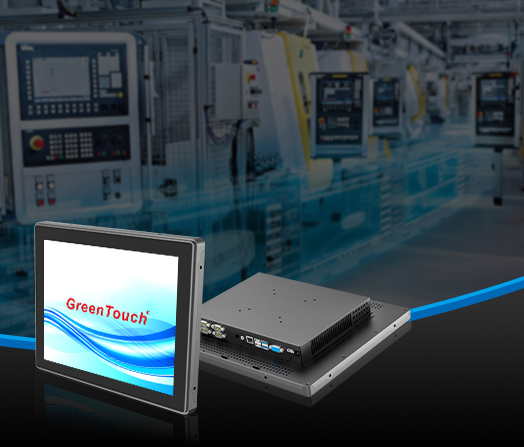
As artificial intelligence, edge computing, and smart manufacturing continue to advance, industrial touchscreens are evolving from traditional Human-Machine Interfaces (HMIs) into cognitive interaction terminals capable of sensing, analyzing, and supporting intelligent decisions.
Traditional HMI systems mainly provide equipment visualization, parameter configuration, and touch control. In contrast, an AI-powered touchscreen can combine machine data, user behavior, and environmental information to identify operating patterns, abnormal conditions, and task requirements. In a smart factory, for example, an intelligent HMI can automatically highlight critical parameters, fault warnings, and maintenance recommendations, helping operators make faster and more informed decisions.
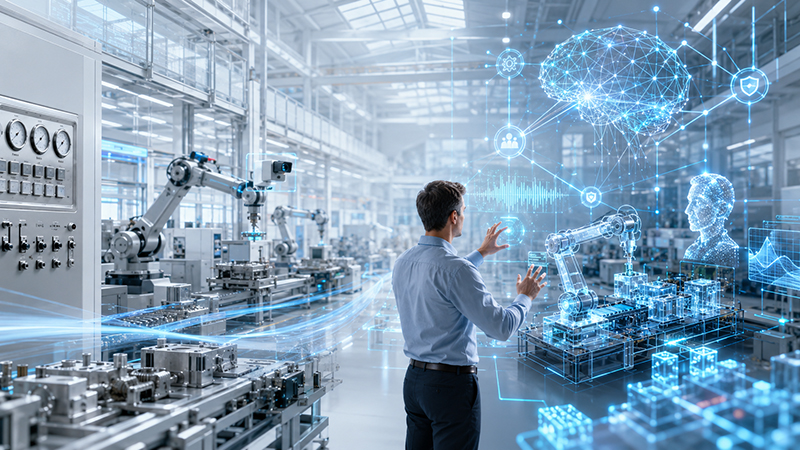
Edge AI is also accelerating the development of smart industrial touch displays. By processing selected data locally on an industrial touch computer, touch panel PC, or embedded HMI terminal, manufacturers can reduce cloud dependence while improving response speed, reliability, and data privacy.
Future AI touchscreens are expected to integrate voice recognition, gesture control, machine vision, digital twins, and AI agents, creating multimodal interfaces that combine touch, vision, voice, and intelligent decision-making.
The transition from traditional HMI to cognitive human-machine interfaces represents an important step in industrial digitalization. AI-powered touchscreens are becoming intelligent interaction gateways connecting operators, machines, data, and AI systems across smart manufacturing, industrial automation, self-service terminals, smart retail, and other intelligent equipment applications.

 Español
 Portugues
 Pусский
 Français
 한국어
한국어 العربية
 中文
中文